From Picture Palace to Multiplex: The Changing Cinema Visit
From picture palace to multiplex, see how cinema design reshaped arrival, waiting and finding a screen, and what those changes mean for filmgoing.
The most common mistake in comparing a picture palace with a multiplex is to treat the change as a simple move from grandeur to convenience. That misses what the building does to a visit: it directs your arrival, gives waiting a character and determines how you find the auditorium. From picture palace to multiplex, cinema design has altered the public experience as much as the choice of films on screen.
A useful way to trace that shift is to follow one ordinary outing from the street to the seat. Imagine a cinema-goer arriving for a planned evening screening, with a ticket and time to spare. The route through the building reveals how public filmgoing moved from a single ceremonial destination towards a network of smaller, overlapping journeys.
The picture palace made arrival part of the occasion
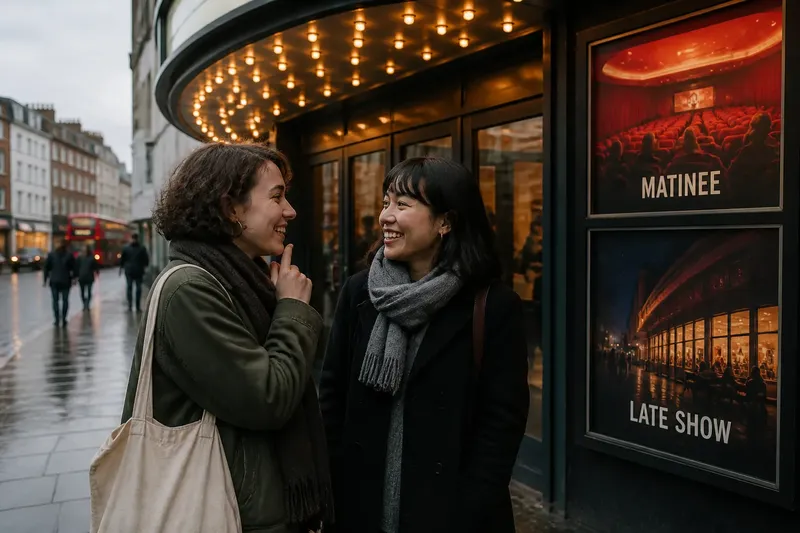
In the picture-palace model, the building announced itself before the film began. A prominent entrance, a decorated façade and a generous lobby could make crossing the threshold feel like leaving the street behind. The design did not merely hold an audience; it presented cinema-going as a public event with its own setting.
Inside, the route tended to gather visitors towards a central point. A foyer, staircase or prominent auditorium entrance helped make the building legible as one destination, even when its interior was elaborate. Staff and signs guided people through a shared sequence: enter, pause, proceed to the auditorium and take a place among the crowd.
Waiting could be part of that sequence rather than dead time. A visitor might stand in a spacious lobby, look at the room’s decoration or watch other patrons arrive. The building made the interval before the film visible and social, though the experience depended on the cinema’s layout and local customs.
That sense of occasion did not mean every visit was formal or luxurious. It meant the architecture gave the audience a clear threshold between ordinary streets and a dedicated place for watching together. Notice how a prominent entrance changes your pace before you even reach the ticket desk.
Single-screen cinemas concentrated the audience
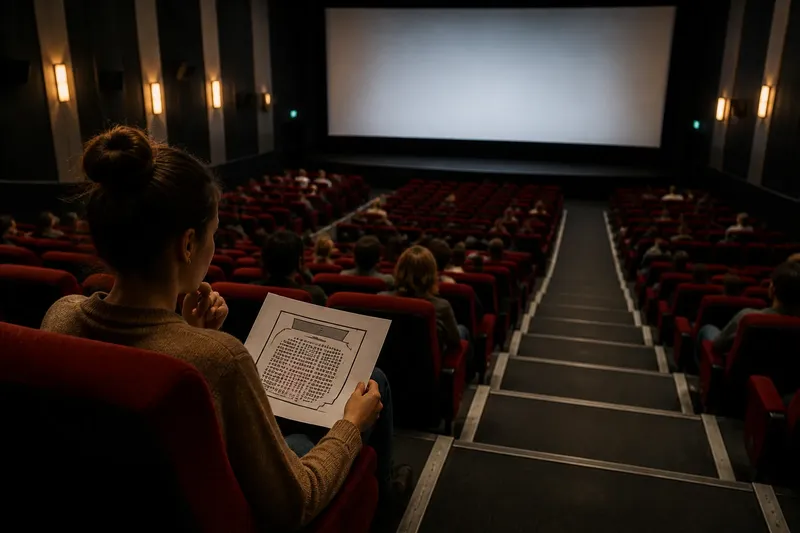
When a cinema centred on one main auditorium, the audience usually shared a common destination. The lobby, ticket point and auditorium doors were arranged around a relatively simple question: where does this crowd go next? That concentration could make arrival feel collective, with people heading towards the same screening and responding to the same cues.
The building’s scale shaped the way a crowd moved. A large auditorium might draw visitors through a broad entrance and into a single, strongly defined room. The screen was not one option among many within the same venue; it was the destination that organised the visit.
Such buildings also made the start of a screening easier to read. The flow of people towards one set of doors, the gradual filling of one room and the shared moment of settling down formed a public rhythm. If you arrived late, the same concentrated route could make your entrance more noticeable.
The important change was not simply that there were fewer screens. The architecture brought people together around one programme and one auditorium, making the cinema’s internal map comparatively direct. A visitor could still encounter queues and delays, but there were fewer competing routes to interpret.
Multiplex design divided one visit into several routes
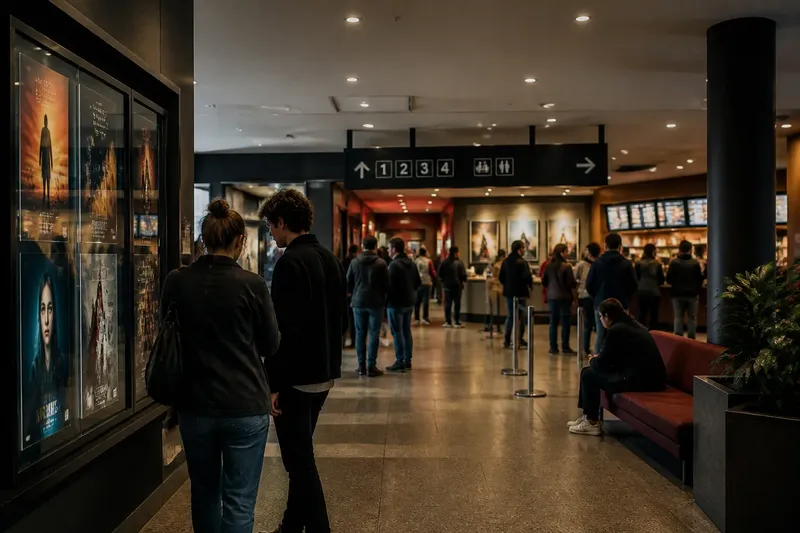
A multiplex changes the question from “Where is the auditorium?” to “Which auditorium is mine?” Several screens share a building, often with different start times and audiences moving through the same foyer. The entrance becomes a junction: visitors may be buying tickets, checking a screen number, collecting refreshments or heading down a corridor at the same time.
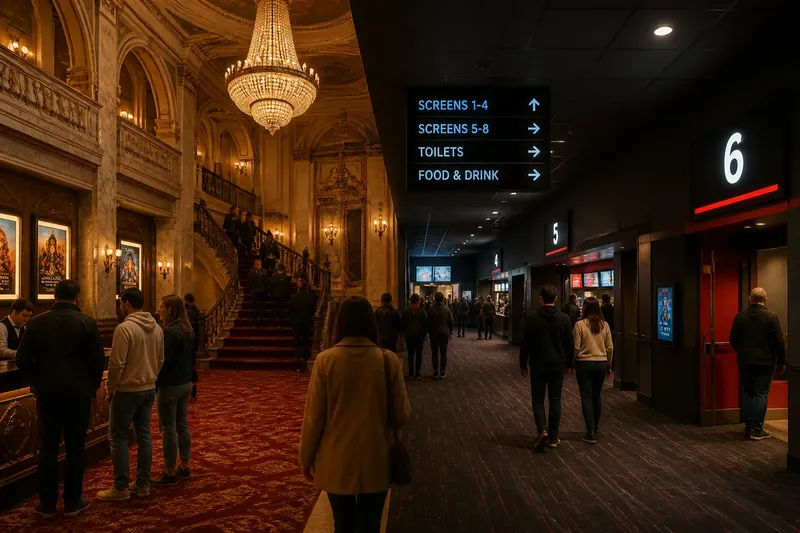
This arrangement makes the cinema more flexible as a venue, but it also makes wayfinding a larger part of the visit. Screen numbers, directional signs, corridor turns and door labels divide the building into smaller destinations. The audience no longer necessarily arrives as one crowd; it forms and disperses in groups tied to different screenings.
Waiting changes with that traffic. A foyer may be busy without everyone waiting for the same film, and the movement of one group can overlap with another group leaving an auditorium. The building feels less like a single gathering room and more like a shared passage connecting several events.
Imagine you have a ticket for Screen 6 and arrive while another audience is leaving Screen 5. You check the overhead sign, follow the numbered corridor and wait near the correct door rather than joining the departing crowd. The observable difference is that your attention is on navigation and timing as well as on the occasion of being at the cinema.
The route from street to seat changed in stages
To understand the shift, trace the visit in order rather than comparing decorative styles. Each stage asks something different of the building and its audience.
- At the street: A picture palace often used its façade to make the destination conspicuous. A multiplex may sit within a larger retail or leisure complex, so the cinema entrance can be one part of a wider public route.
- At entry: A single-screen venue tends to direct visitors towards one principal audience space. A multiplex introduces the need to identify a ticket, screening time or auditorium before choosing a direction.
- During the wait: A shared lobby can gather much of the audience in one place. In a multiplex, waiting may be split between the foyer, concessions area and corridor outside a particular screen.
- At the auditorium door: One main entrance makes the crowd’s destination easy to recognise. Several screen doors require clearer labels and more attention to the number on the ticket.
- After the film: A concentrated audience may leave through a common route. Multiple screens can send departing and arriving groups through the same circulation spaces.
These are tendencies, not rules for every building. Older cinemas have been adapted, and contemporary venues can borrow the spacious foyer or strong entrance of earlier designs. The useful point is to look at how the route works, not to assume that age alone tells you what a visit will feel like.
What does a cinema layout ask of its audience?
Why did picture palaces have grand entrances?
A conspicuous entrance helped mark the cinema as a destination rather than a room reached by chance. The threshold and foyer could prepare visitors for a shared event before they saw the screen.
Why can a multiplex feel harder to read?
Several auditoriums create multiple destinations, often with audiences arriving and leaving at once. Screen numbers and directional signs do more work because the building cannot send everyone along the same route.
Did multiplexes remove the sense of occasion?
Not necessarily; they changed how the occasion is organised. A visitor may still experience anticipation and a communal screening, but the route can involve more choices and less time spent in one shared gathering space.
What should I notice when comparing two cinemas?
Watch how clearly each building connects its entrance, waiting area and auditorium doors. Notice whether the crowd moves as one group or divides into smaller streams, and whether signs make the next step apparent.
Read the building by watching its crowd
You can make this comparison on an ordinary visit without turning it into a formal inspection. Arrive with enough time to notice the transition from outside to inside, then pay attention to where people pause, where they hesitate and how they know which way to go.
Look for a few practical details:
- Can you see the cinema entrance clearly from the public approach?
- Does the foyer gather visitors, or mainly channel them onwards?
- Are ticket checks and auditorium directions easy to distinguish?
- Do screen labels remain visible when the corridor is crowded?
- Can arriving and departing groups pass without losing their direction?
These details reveal the social design of the building. A broad lobby can invite people to linger, while a narrow corridor may encourage them to keep moving; neither arrangement tells the whole story, but each shapes how waiting feels. The signs, doorways and crowd patterns give you more useful evidence than a nostalgic label such as “old-fashioned” or “modern”.
Design still shapes the shared experience
Picture-palace architecture made the cinema visit feel like entry into a distinct public setting. Single-screen buildings concentrated the audience around one destination, while multiplexes spread attention across several screens and overlapping schedules. The change is best understood as a shift in how a building organises people, not as a straight line from better to worse.
Next time you enter a cinema, notice the first point where the building asks you to choose a direction. That small decision tells you whether the venue is gathering one audience or sorting several journeys—and how its design has shaped your visit before the film begins.