Why the Foyer Sets the Pace of a Cinema Visit
Why the foyer sets the pace of a cinema visit: choose a calm arrival, a brief pause or a quick route to suit your mood before the film begins.
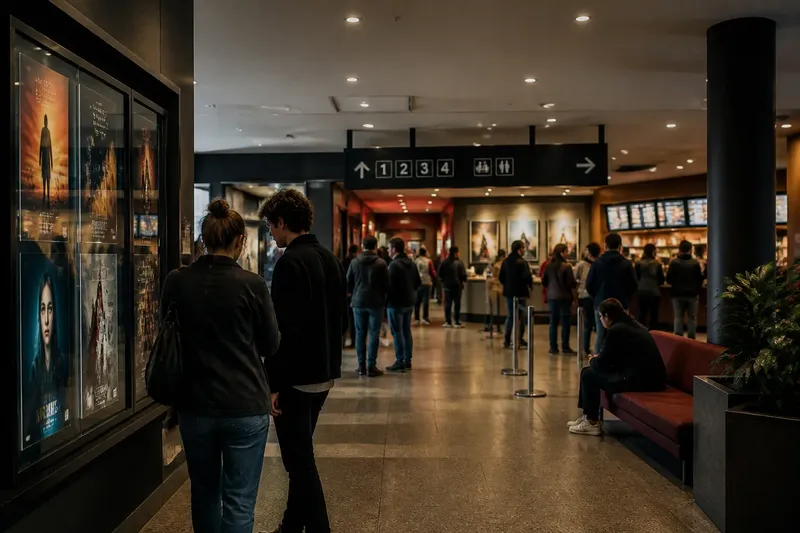
The common mistake is treating the foyer as a corridor to cross as quickly as possible. That rush can carry street noise, unfinished errands and a hurried mood right up to the auditorium doors; a small change in how you enter gives the visit a clearer beginning. The foyer sets the pace of a cinema visit before the screen appears.
Think of the transition as a choice, not a rule. Some visits call for a deliberate pause; others are better served by a direct route to the screen. Your arrival time, company and reason for going help determine which approach fits.
Use the foyer to mark a change of pace
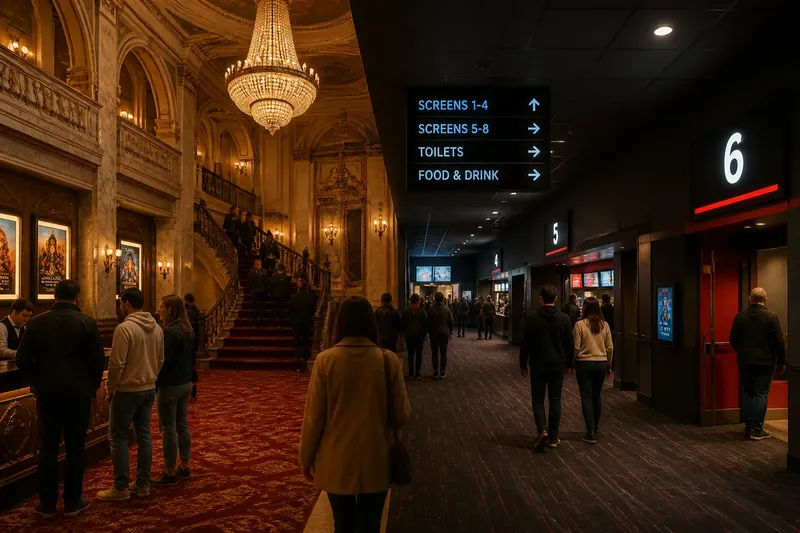
On the pavement, attention is split between traffic, messages, weather and the next destination. Inside, signs, ticket checks, posters, a concession counter and the auditorium entrance gather attention around the cinema visit. The foyer is the buffer between those settings, even when it is no more than a short passage and a shared lobby.
You do not need to linger to feel the shift. Put your phone away, check the screen number, and take in the room before moving on. A moment spent orienting yourself is different from stopping in a busy route: keep doorways and queues clear.
Notice what the space invites. A broad central area may make it easy to meet your group; a narrow lobby may call for a quick greeting and a move towards the screen. Let the building guide your pace rather than imposing a ritual that does not fit it.
Choose a foyer rhythm that suits your arrival
The right arrival depends on what is happening outside the auditorium. Use these situations to decide whether to pause, regroup or keep moving.
- You have time before the screening: Take a quiet pause near a poster display or other spot away from the main flow. Read a synopsis, finish a conversation or simply let the street recede before joining the auditorium queue.
- You are arriving close to the start: Follow the ticket and auditorium signs directly. Skip browsing and avoid stopping at the entrance, where a delay can hold up other visitors.
- You are meeting someone: Agree on a clear meeting point, such as the lobby side of the ticket desk, rather than waiting in a doorway. Once everyone is together, decide whether there is time for refreshments or whether to head in.
- You are going alone: Choose a pace that feels comfortable without needing to fill the silence. A brief look at the programme or a poster can make the transition feel intentional, but a direct walk is equally fitting.
- You are with someone who needs a calmer arrival: Keep the route simple and avoid extra stops in crowded areas. If the venue offers a quieter waiting spot or assistance, ask staff what is available.
Imagine you arrive with a friend while the lobby is busy and the screening is nearing its start. You agree to meet beside the poster case, check the auditorium sign together and head straight to the entrance; the observable result is a simpler hand-off from meeting to finding your seats, without a second decision in the queue.
Let the foyer’s details do useful work
Posters and programme boards can prepare attention without giving the film an elaborate introduction. Read a title or glance at the imagery if it interests you; there is no need to study every display. A familiar foyer ritual can be as modest as checking the running order or noticing which way the auditorium doors face.
Sound and light also influence how long a pause feels comfortable. A crowded counter with overlapping conversations may make a short route preferable, while a quieter seating area can offer space to regroup. Choose a place that does not obstruct the queue or the path to the screens.
Refreshments are part of the foyer for many visitors, but buying something is not a condition of taking part in the occasion. If you want a drink or snack, decide before joining the queue; if not, keep moving without apologising. The visit can feel complete without adding another stop.
Keep the transition social without slowing others
A foyer is shared space, so a pause works best when it leaves room for other people to pass. Keep conversations to one side of the main route, gather belongings before joining a queue, and move aside if you need to check a message. These small courtesies preserve the lobby as a place to meet as well as a route to the auditorium.
With children or a larger group, give everyone one clear next action: meet at the sign, check the screen, then move together. Long negotiations in front of a doorway make the transition harder for your group and for others. If someone needs extra time, choose a place where the group can wait without blocking access.
For accessibility, look for step-free routes, lifts, seating and assistance points where relevant. Venue arrangements differ, so check the cinema’s information or ask staff if you need a specific route or support. A foyer should help visitors orient themselves, not make anyone feel pressured to keep up.
How should you handle common foyer choices?
Should you arrive early just to enjoy the foyer?
Arrive early if you want time to meet someone, browse the programme or settle into the venue, but do not treat a long wait as essential. A short, unhurried pause can mark the transition just as well when the space is busy or your schedule is tight.
What if the foyer is crowded?
Use the signs to find the auditorium and keep moving towards it, pausing only in a place that does not narrow the route. If you are waiting for someone, choose a quieter edge of the lobby or a staff-recommended meeting point.
Is it better to buy refreshments before going in?
That depends on whether you want them and whether the queue fits your timing. If the line is long or the start is close, head to the auditorium instead; the foyer ritual need not include a purchase.
How can a solo visit feel like an occasion?
Give yourself one small cue, such as putting your phone away or reading the film’s programme note before entering. The point is not to perform a ritual but to let your attention shift from the street to the screening.
Make the foyer pause yours
A useful cinema foyer does not demand that every visitor behave the same way. Choose a brief pause when you want to settle, a meeting point when you are with others, or a direct route when time and crowding call for it. The foyer sets the pace of a cinema visit through these practical choices, not through its size or decoration.
Next time, decide on your first action before you cross the entrance: check the screen, meet your companion, or take a moment away from the flow. That small choice can make the move from street to auditorium feel like the beginning of the film-going occasion.